How Atlanta Water Damage Restoration handles a water call, from ring to dry
Atlanta Water Damage Restoration is a 24/7 call line for water damage in Atlanta and the neighborhoods within 25 km of downtown. A person answers, gives safety steps and dispatches a local crew as fast as one is available. That crew extracts, measures and dries, and you approve the emergency-stage price before work starts.
- Phones answered 24/7
- Sewer backups, creek floods, burst pipes
- Estimate approved before work
- Moisture readings documented
Get a fast quote
Fastest: call (833) 490-5225. Or send this and we call you back.
How Atlanta Water Damage Restoration works
Atlanta is a hilly city of red clay and tall trees, and most water calls here trace to that ground and that canopy. Heavy rain runs fast down paved slopes into creeks like Peachtree, Intrenchment and Proctor, and into sewers that in older parts of town carry stormwater and wastewater together. Limbs from oaks and pines come through roofs. Clay holds water against foundations and under crawl spaces long after the sky clears.
The housing mix adds its own twists. Streetcar-era bungalows in Grant Park, Kirkwood and Virginia-Highland sit over crawl spaces and cast-iron drains. Ranch houses from the 1960s and 1970s spread across Cascade Heights and the DeKalb side of town. In Midtown and Buckhead, condo towers share risers, so one unit's leak becomes three units' problem. Atlanta Water Damage Restoration exists so those calls reach a person at any hour who has heard each of them before.
The work is practical. Stop the water, get it out, find where it traveled, then dry every material to a measured goal. Each job runs on the same ground rules: the emergency-stage price explained and approved before equipment starts, readings on each visit and photos you can show your insurer. Repairs are quoted after the structure is dry.
The independent company that does the work
Atlanta Water Damage Restoration is the phone line, not the work crew. We answer, ask where the water is, coach you through the main valve, and send the job to the nearest independent, licensed local restoration company with a crew free. That company is the partner behind the call. Its people arrive with the pumps and dryers, and it answers for the assessment, the price and the finished drying.
Georgia licenses general and residential contractors through the State Licensing Board for Residential and Commercial General Contractors, which sits under the Secretary of State, and rebuild work above a dollar threshold generally falls under it. Whether extraction and drying alone count as contracting is not settled enough for us to tell you either way, and Georgia has no licence specific to mold remediation. So ask what the company holds and which standards its technicians follow, such as IICRC S500 for water.
You can have the company's licence number when you ring. We keep it off this site out of respect for that company's privacy — the licence belongs to it and not to us, and a number published beside someone else's brand invites misuse — and the state board's online lookup lets you check it yourself before any repair work starts.
What we hold ourselves to
Safety before speed
The first thing said on a call is where the main shut-off is and which wet areas to stay out of. Equipment waits the half minute that takes.
Numbers you hear first
The emergency-stage estimate is said plainly and approved before extraction begins. Anything extra, such as a flood cut or pad removal, is explained before it happens.
Dry by the meter
Air movers and dehumidifiers stay until readings show the framing, drywall and subfloor are dry, not for a fixed number of days.
Straight about limits
Pipe repair goes to a plumber, roof replacement to a roofer, coverage questions to your insurer. You hear that at the start.
Our promises on every visit
- Phones answered around the clock, every day of the year
- A crew dispatched as fast as one is available, with no invented arrival time
- Safety steps given on the first call: main shut-off, outlets and the panel
- Emergency-stage price explained and approved before work starts
- Moisture readings taken at the start and again on follow-up checks
- Photos and readings available to share with your insurer
- Repairs priced separately, after materials are confirmed dry
Where we work in Fulton County
One call and it gets handled.
A crew is dispatched as fast as one is available, and you approve the estimate before any work starts.
Frequently asked questions
Who decides what gets torn out?
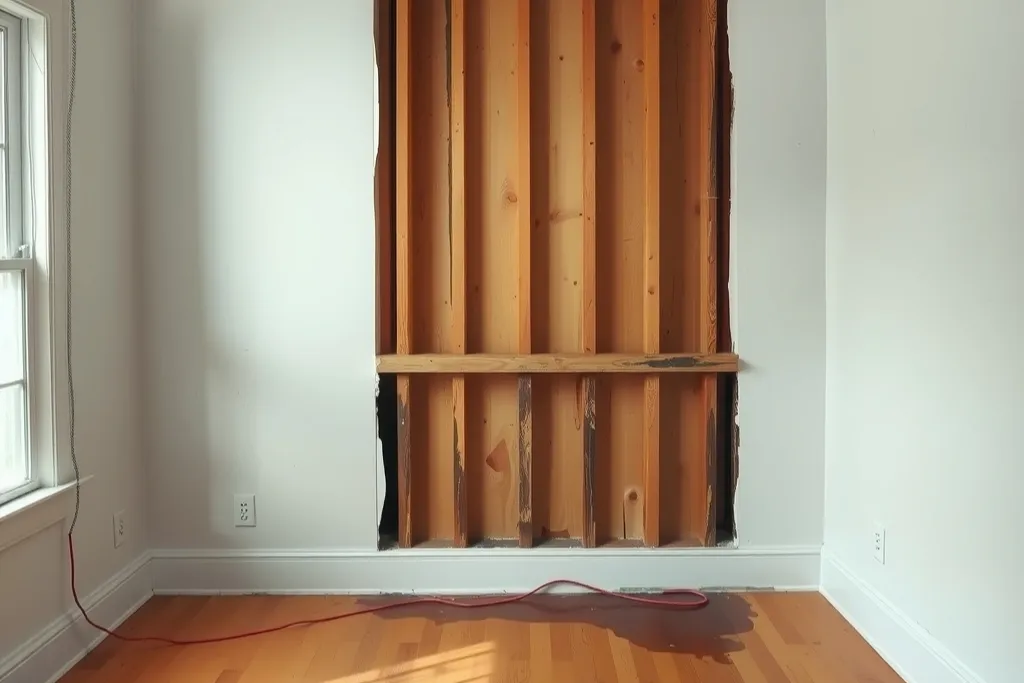
The moisture readings decide, together with you. The crew shows which drywall, pad or baseboard reads wet and whether drying in place can work. Anything that has to go, such as a flood cut a couple of feet up the wall, is explained and approved before it is removed.
Can I stay home while the drying equipment runs?
Usually, yes. Air movers and dehumidifiers are loud and warm a room, and they run day and night, but most households stay put. After a sewage backup the affected area is closed off until cleanup is finished, and the crew says which rooms to avoid.
What changes if the house was built before 1978?
Older paint can contain lead, and the EPA lead Renovation, Repair and Painting rule applies to many pre-1978 homes. Apartment buildings and commercial buildings may also need an asbestos check before demolition, and Georgia EPD handles notifications. Ask before any wall is opened.
Can landlords, condo boards and businesses call too?
Yes. Condo towers in Midtown and Buckhead, loft buildings in Castleberry Hill and warehouses near the airport call as well, often when one unit's leak reaches the next. Commercial water damage is priced after a walkthrough.